by Matthew Waters
•
23 June 2026
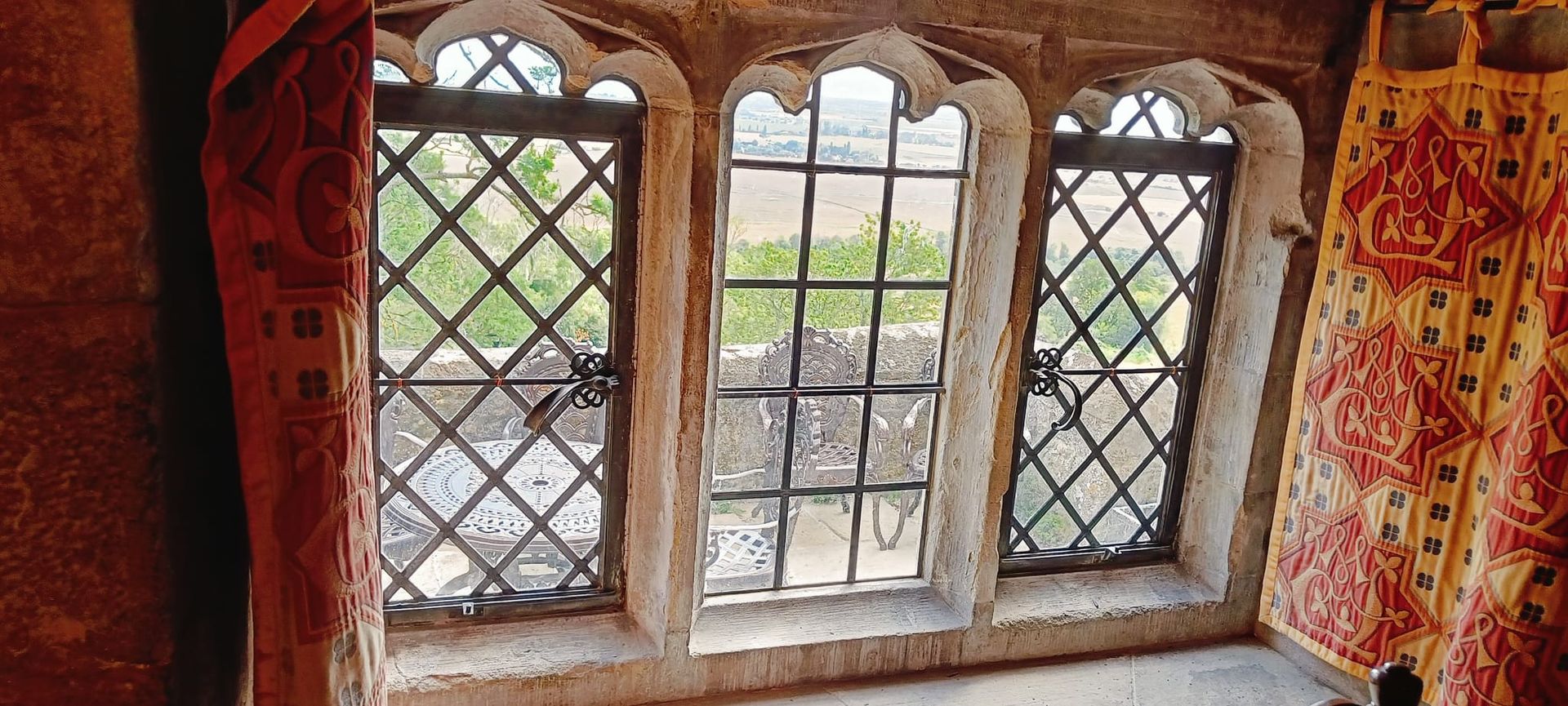
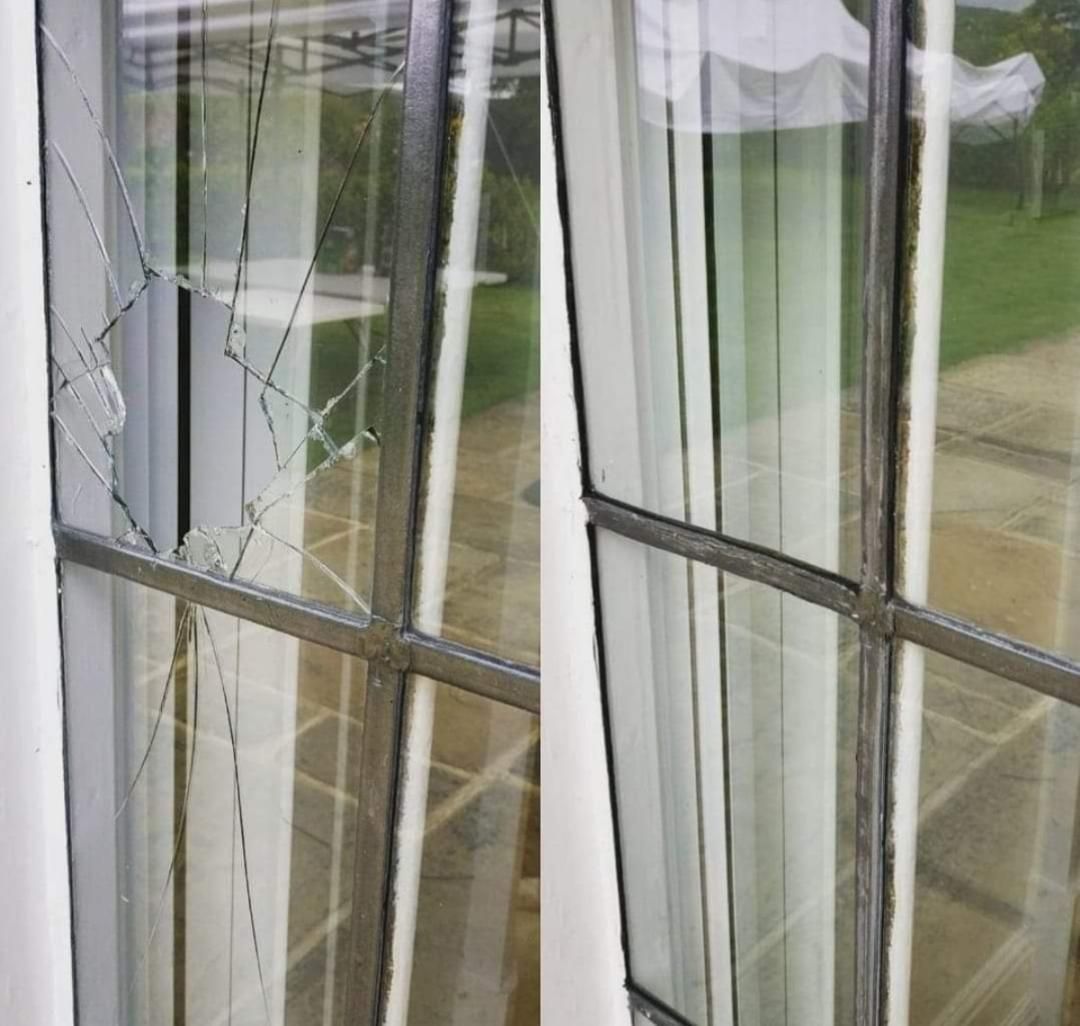
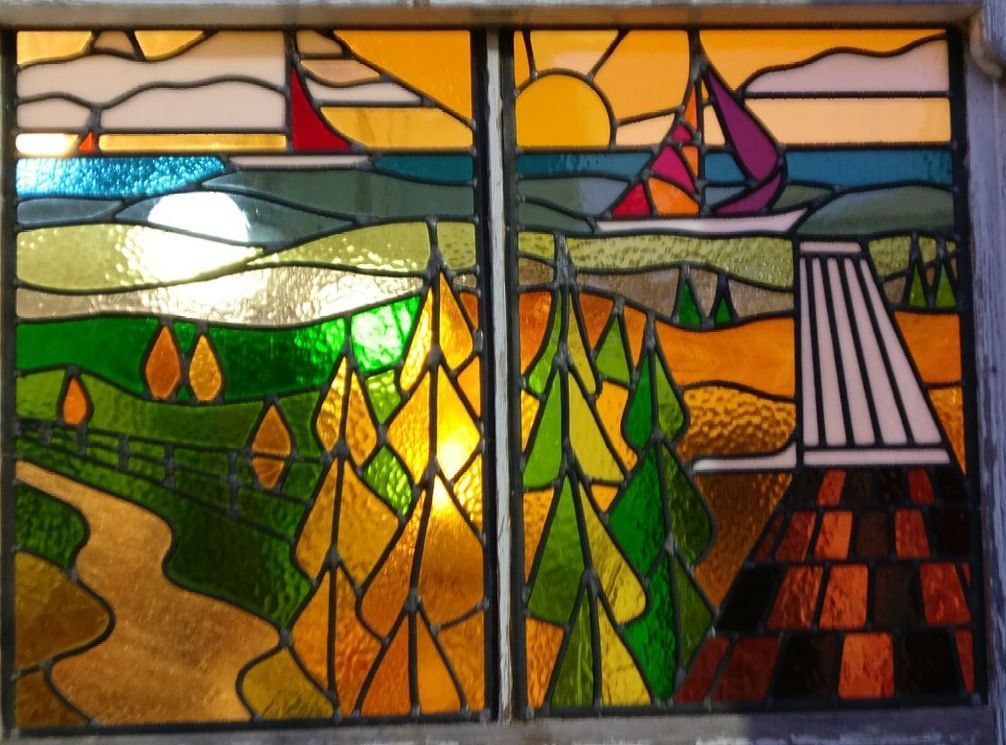
Breathing New Life into Historic Glass Few architectural features capture the character and heritage of an historic castle quite like its lead light windows. Their intricate patterns, handcrafted glass panes, and centuries-old lead cames tell stories of the people who lived, worked, and sought refuge within the castle walls. However, time, weather and structural movement inevitably take their toll. An ongoing restoration project at an historic local castle is providing an opportunity to preserve these remarkable windows for future generations. The work combines traditional craftsmanship with modern conservation techniques, ensuring that the windows retain their authenticity while improving their durability and performance. Understanding Lead Light Windows Lead light windows originated because it wasn’t possible – with glass manufacturing in its infancy – to create large panes of glass. Only small pieces could be created, necessitating a way to conjoin them to create windows for a larger opening. Lead light windows are constructed from small pieces of glass - known as ‘quarries’ - are held together by strips of lead known as cames. Unlike modern glazing systems, these windows were assembled by hand, often featuring unique shapes, colours, and decorative patterns. Historically, leaded windows offered several advantages: Flexibility within stone structures that naturally moved over time The ability to create decorative geometric designs Easier replacement of damaged individual panes Enhanced character and craftsmanship compared to plain glazing Many castle windows date back hundreds of years, making them valuable historic artefacts as well as functional building elements. Assessing the Condition Before any restoration work could begin, a detailed survey was carried out across the castle's lead light windows. Common issues identified included: Lead Fatigue Over decades and centuries, lead becomes weaker and less able to support the glass. Several window panels show signs of bowing and distortion caused by tired lead cames. Cracked and Missing Glass Exposure to weather, accidental impacts and thermal stress have resulted in numerous cracked or missing panes. Corrosion Lead oxidation and corrosion around saddle bars and fixings have weakened some sections of the glazing. Previous Repairs Like many historic buildings, the castle has undergone repairs over the years. Some were sympathetic, while others involved inappropriate materials that accelerated deterioration. Water Ingress Failed waterproofing and deteriorated putty allow moisture penetration, leading to staining and further structural issues. The Importance of Conservation Principles One of the key objectives of the project is to preserve as much original material as possible. Conservation-led restoration differs significantly from replacement. Rather than installing entirely new windows, as specialists we focus on: · Retaining original glass wherever possible · Preserving historic craftsmanship · Documenting every stage of the process · Using traditional materials and techniques · Ensuring any interventions remained reversible This approach protects the historical significance of the windows while maintaining the castle's authenticity. Careful Removal and Documentation Each lead light panel is carefully removed from its stone opening. Before removal: Detailed photographs are taken Measurements are recorded Glass patterns are mapped Existing damage is documented This information creates a permanent conservation record and ensures that every panel can be accurately reassembled and returned to its original position. Given the age and fragility of the windows, transportation to our restoration workshop requires specialist protective packaging and handling procedures. Cleaning the Historic Glass Once in the workshop, we begin the delicate process of cleaning. Centuries of accumulated dirt, soot and environmental deposits often obscure the beauty of historic glass. However, aggressive cleaning can damage fragile surfaces and remove valuable evidence of age. As a restoration team we use: · Soft natural-bristle brushes · Distilled water solutions · Conservation-grade cleaning materials · Gentle hand-cleaning techniques As layers of grime were removed, the original colours and textures of the glass become visible once again. Re-leading and Structural Repairs Many of the original lead cames have reached the end of their serviceable life. Where necessary, panels are dismantled and re-leaded using lead profiles that exactly match the historic originals. This stage involves: · Carefully removing each piece of glass · Cleaning and inspecting every pane · Rebuilding the panel using new lead cames · Soldering joints by hand · Waterproofing the assembly with traditional glazing cement The result is a structurally sound panel that remains visually faithful to the original craftsmanship. Glass Conservation and Replacement One of the most rewarding aspects of the project is preserving original glass wherever possible. Cracked panes are repaired using specialist conservation techniques when feasible. Where replacement is unavoidable, glass is selected to match: · Colour · Texture · Thickness · Light transmission characteristics Modern float glass is avoided because its appearance differs significantly from historic hand-made glass. The goal is to ensure that new pieces blend seamlessly with surviving original material. Irregular Stone Openings Centuries of settlement often leave openings slightly distorted. Each restored panel requires careful adjustment to ensure a secure fit. Access Difficulties Many windows are located in towers, stairwells, and elevated sections of the castle, requiring specialised access equipment. Heritage Requirements All work needs to comply with conservation guidelines and heritage regulations, ensuring the building's historic significance remains protected. Balancing Preservation and Performance Achieving modern standards of protection while respecting historic authenticity demanded careful planning and specialist expertise. The Results The restored lead light panels transform the appearance of the castle. Visitors can now appreciate: · Brighter, clearer historic glass · Restored geometric lead patterns · Improved structural stability · Enhanced weather resistance · Greater appreciation of the building's craftsmanship Perhaps most importantly, the restored windows continue to tell the story of the castle's past while remaining functional for generations to come. Why Lead Light Restoration Matters Historic windows are far more than building components. They are tangible links to the skills, materials and traditions of earlier generations. When properly restored, lead light windows can continue serving their original purpose for many decades. Conservation work helps preserve local heritage, supports traditional crafts and maintains the unique character that makes historic castles such treasured landmarks. As this castle restoration demonstrates, careful conservation is not simply about repairing old windows—it is about safeguarding history itself. Conclusion The restoration of the lead light windows at this historic local castle highlights the value of skilled craftsmanship and thoughtful conservation. Through detailed assessment, meticulous repair and respect for traditional methods, the project is preserving an important part of the castle's architectural heritage. These restored windows now stand as a testament to centuries of craftsmanship, allowing visitors to experience the castle much as its original occupants would have done. In preserving the past, the restoration ensures that future generations can continue to admire and learn from these remarkable examples of historic glazing.